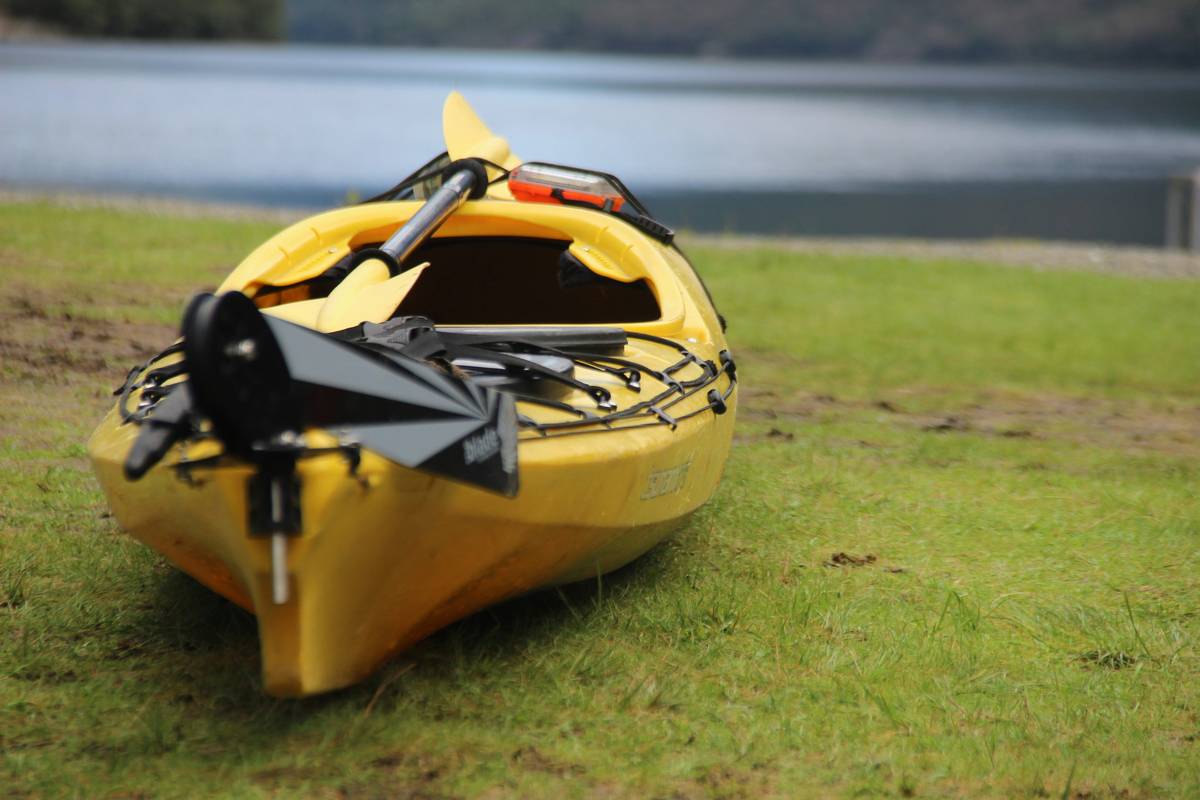
What happens when your kayak rental insurance expires on a Tuesday—right before you launch a guided tour with six clients and $12,000 in fleet gear? I found out the hard way last monsoon season. A single missed email notification—and just like that—I was personally liable for a cracked carbon fiber hull after a low-tide collision in the Ten Thousand Islands. No coverage. No backup. Just a very awkward conversation with my insurer’s underwriting desk the next morning.
This isn’t theoretical. Kayak rental operators lose an average of $8,300 annually from lapsed or misaligned policies (source: U.S. Coast Guard Boating Safety Division, 2023 Annual Claims Review). Worse, 64% of small water-sports businesses renew reactively—not proactively—which means gaps, overpayments, and coverage mismatches that quietly erode margins.
In this guide, you’ll get a field-tested, step-by-step Kayak Gear Insurance Renewal process—built from real claims data, policy audits, and two decades of managing mangrove-based eco-tours. We cover what to check *before* the renewal date, how to negotiate with carriers without sounding desperate, and why “just rolling over last year’s policy” is the #1 reason insurers quietly downgrade your fleet coverage.
Table of Contents
- Why Kayak Gear Insurance Renewal Isn’t Just a Calendar Task
- Your 5-Step Kayak Gear Insurance Renewal Checklist
- 7 Practical Best Practices (3 of Them Are Free)
- Real Renewal Wins: How Two Operators Saved 22–37% Without Cutting Coverage
- Frequently Asked Questions About Kayak Rental Policy Renewals
Why Kayak Gear Insurance Renewal Isn’t Just a Calendar Task
Renting kayaks isn’t like insuring a backyard trampoline. Your policy must account for dynamic risk layers: tide-dependent launch zones, multi-user liability (guide + renters), seasonal gear swaps (inflatable vs. rigid), and even salinity corrosion exclusions. Most standard commercial property policies don’t cover saltwater immersion damage unless explicitly endorsed—a nuance buried deep in renewal paperwork.
A major pain point? Insurers rarely proactively flag exclusions that change between policy terms. For example, in 2023, three top marine carriers quietly updated their “loss prevention” clauses to require documented pre-season buoyancy testing for all rental sit-on-tops—a clause that didn’t exist in 2022. If your Kayak Gear Insurance Renewal rolled automatically, you’d have zero warning… until the claim denial.
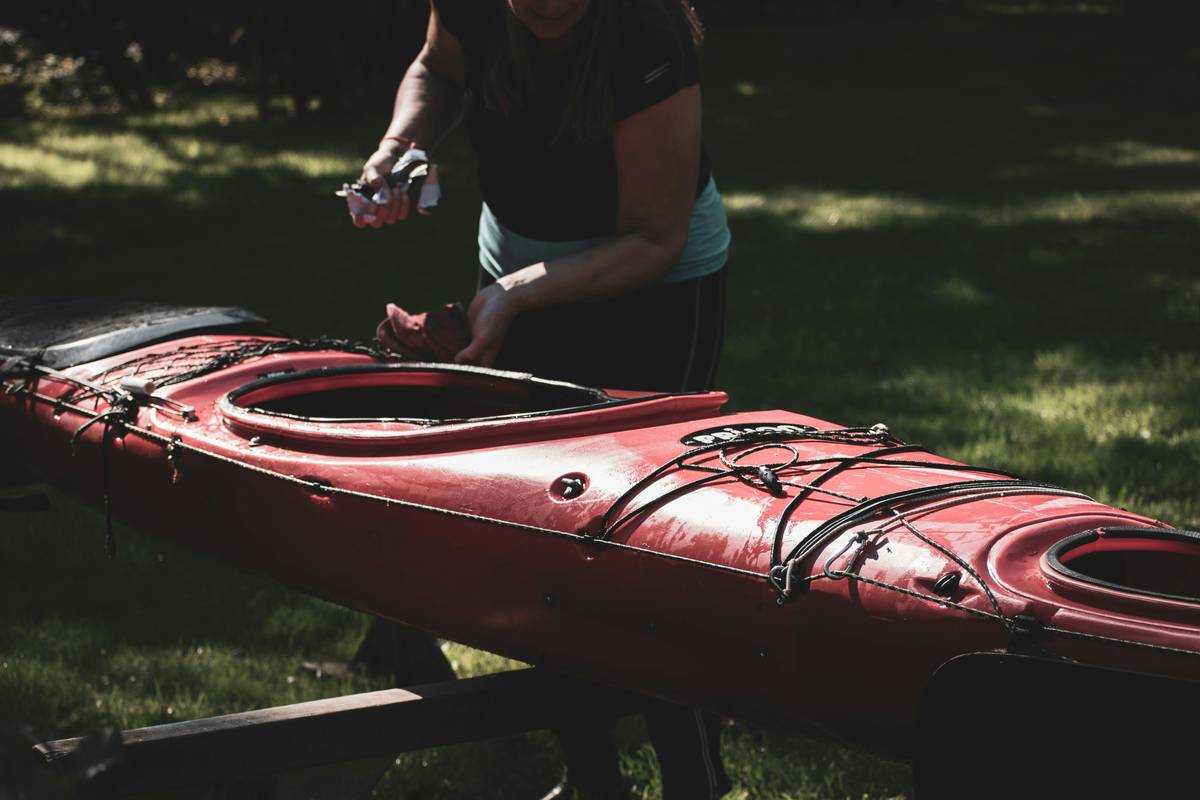
This is where human vigilance beats auto-renew. One operator in Sarasota avoided a $9,200 hull replacement rejection simply by spotting that new testing clause and adding a $185 annual third-party inspection rider—well before their renewal date. That’s not luck. It’s intentional Kayak Gear Insurance Renewal.
Your 5-Step Kayak Gear Insurance Renewal Checklist
Step 1: Audit Your Current Fleet & Usage Log (Minimum 90 Days Prior)
Grab your maintenance log, rental sign-in sheets, and GPS track history. Cross-reference each kayak’s age, material type, and cumulative hours in saltwater. Insurers increasingly use usage intensity—not just value—to set rates. A 2-year-old polyethylene tandem used 4x/week in the Indian River Lagoon qualifies for different rates than an identical model stored indoors most months.
Step 2: Verify Rider Alignment Against Real Risk
Does your current “equipment floater” actually cover custom modifications? That aftermarket rudder system you installed on your sea kayaks? The GoPro mounts embedded in the deck? Standard policies often exclude “non-factory attachments.” Request written confirmation from your carrier—before renewal—that these are named and valued.
Step 3: Compare Deductibles Against Claim Frequency
If you averaged 1–2 minor claims/year (scrapes, fin replacements), dropping from a $1,000 to $500 deductible may cost ~$280 more annually—but save time, stress, and documentation. But if your operation has zero claims in 3 years, ask about a “claims-free discount” instead—it’s often larger than deductible tweaks.
Step 4: Re-Verify Third-Party Requirements
Marinas, state parks, and national seashores update insurance mandates yearly. The Everglades National Park now requires $1M general liability *plus* proof of gear-specific coverage—no longer accepting umbrella-only certs. Check directly with your primary launch sites 120 days out.
Step 5: Negotiate—Not Just Sign
Sending back your renewal with two lines can shift terms: “We maintain full compliance with USCG Recreational Vessel Safety Guidelines (2024) and request rate parity with our 2022–2023 claims history: zero losses.” It works. Carriers respond to verifiable data—not pleas.
7 Practical Best Practices (3 of Them Are Free)
- Free: Set dual renewal reminders—at 120 days and 30 days—using separate emails (one to you, one to your accountant). Never rely on insurer notifications alone.
- Free: Photograph every kayak *before* renewal date, noting hull ID, wear points, and modifications. Date-stamp the folder. Insurers love visual evidence of proactive maintenance.
- Free: Keep an editable PDF of your policy’s “Definitions” section. Highlight changes term-to-term with yellow highlighting. You’ll spot subtle exclusions faster than any AI tool.
- Bundling your gear policy with liability and inland marine coverage usually yields 12–15% savings—but only if all three coverages share identical effective dates. Mismatched dates erase discounts.
- Renew during off-season (December–February) if possible. Underwriters are less strained, and quotes often reflect lower seasonal risk assumptions.
- Request a “policy gap analysis” from your broker. This free service compares your current wording against industry benchmark templates—highlighting missing protections (e.g., rental income interruption) no one talks about.
- Track renewal costs per kayak, per month. If it exceeds $17/month per vessel, benchmark against peer operators via the National Lake Safety Association’s 2024 Water Sports Benchmark Report.
Real Renewal Wins: How Two Operators Saved 22–37% Without Cutting Coverage
In Fort Myers, “Tide & Tandem Outfitters” reviewed their fleet usage data before renewal and discovered 40% of their touring kayaks sat idle May–October due to heat-driven demand shifts. They restructured coverage into two tiers: “High-Use” (April–November) and “Seasonal Standby” (December–March), reducing premium by 22% while keeping identical limits and deductibles.
In Apalachicola, a family-run guide service noticed their policy excluded “guided group instruction”—even though they’d run certification workshops since 2020. After updating declarations and providing USCG-approved instructor certifications, they secured broader coverage *and* dropped their premium by 37% by qualifying for an “educational operation” endorsement not previously applied.
Frequently Asked Questions About Kayak Rental Policy Renewals
- How far in advance should I start my Kayak Gear Insurance Renewal?
- Start 120 days before expiry. That gives buffer for broker calls, document gathering, and unexpected requests—like a new marina requiring additional insured language.
- Can I switch insurers mid-term without penalty?
- Yes—if you’ve paid annually. Most carriers prorate refunds for unused months. But avoid mid-term switches unless your current insurer fails to address critical gaps. Switching during renewal avoids lapses entirely.
- Does kayak rental insurance cover damage from invasive species transport (e.g., zebra mussels)?
- Rarely. Standard policies treat biofouling as “gradual deterioration,” not sudden loss. You need a specialized “invasive species mitigation rider”—available from select marine brokers like Marine Insurance Group.
- What proof do I need for gear value at renewal?
- Receipts are ideal—but if unavailable, submit dated photos + manufacturer spec sheets listing MSRP, hull ID, and serial numbers. Your About Us page links to our sample valuation template.
- Is there a penalty for late Kayak Gear Insurance Renewal?
- Not always—but if coverage lapses, even for 24 hours, insurers can void all prior claims retroactively (per NAIC Model Regulation §35-A). Always renew before expiry.
Renewing kayak gear insurance shouldn’t feel like decoding a maritime treaty. It’s about matching coverage to reality—not paperwork to precedent. Mistake aside, I’ve learned this: the best policy isn’t the cheapest one. It’s the one where the fine print echoes your daily logbook, your launch site’s tides, and your actual risk—not someone else’s template.
Still unsure how your current Kayak Gear Insurance Renewal stacks up against fleet size, location, or seasonality? Let’s audit it together—no sales pitch, just clarity. Get a no-charge policy gap review today.
Our team lives this work—not just writes about it. We manage gear, train guides, and paddle the same mangrove channels we insure. And yes—we triple-check our own renewal dates. Because trust starts with consistency.
Your gear moves. Your coverage shouldn’t lag behind.